
Managing a classroom can be one of the most rewarding yet challenging aspects of being a teacher. Every student has a different personality, learning style, emotional background, and set of needs. While some students follow classroom expectations naturally, others may struggle with maintaining focus, following instructions, controlling their emotions, or interacting positively with classmates. These challenges can affect the entire learning environment if they are not handled appropriately. Therefore, teachers need practical and thoughtful approaches to create a classroom where every student feels respected, supported, and encouraged to learn.
One of the most effective approaches is understanding and applying classroom management strategies for difficult students that focus on positive behavior, clear communication, and individual support. Rather than viewing challenging behavior as simply disobedience, teachers should try to understand the reasons behind it. Sometimes, students act out because they feel frustrated, overlooked, anxious, or unable to understand the lesson. Identifying these underlying causes can help teachers respond more effectively.
Establish Clear Classroom Rules and Expectations
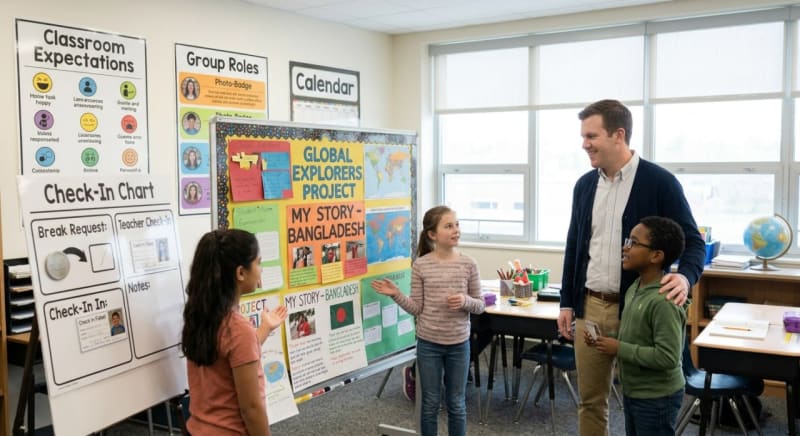
A well-managed classroom begins with clear and consistent expectations. Students should understand which behaviors are acceptable and which are not. Teachers can establish a few simple rules, such as listening when someone speaks, respecting classmates, completing assignments, and following instructions.
It is also important to explain the reasons behind classroom rules. When students understand how their actions affect others, they are more likely to develop a sense of responsibility. Displaying classroom expectations where everyone can see them provides a helpful reminder throughout the school day.
Build Positive Relationships With Students
Building meaningful relationships is essential when working with students who frequently display challenging behavior. Teachers should take time to learn about students' interests, strengths, concerns, and learning preferences. A simple conversation, encouraging comment, or personal greeting can help students feel valued.
When students trust their teachers, they are generally more willing to cooperate and communicate their concerns. Instead of focusing exclusively on mistakes, educators should recognize positive efforts and improvements. Even small achievements deserve encouragement because they can motivate students to continue making better choices.
Use Positive Reinforcement
Positive reinforcement is another valuable classroom management technique. Rather than constantly correcting unwanted behavior, teachers should recognize and encourage appropriate actions. Verbal praise, classroom responsibilities, reward charts, and recognition of individual progress can help motivate students.
For example, if a student who usually interrupts others waits patiently before speaking, the teacher can acknowledge that improvement. This encourages the student to repeat the positive behavior. However, rewards should be fair, age-appropriate, and focused on genuine progress rather than competition.
Maintain Consistency and Patience
Consistency plays a major role in creating a structured learning environment. Teachers should apply classroom rules fairly and avoid changing expectations based on their mood. When students understand that rules are predictable, they feel more secure and know what is expected of them.
Patience is equally important. Changing difficult behavior rarely happens overnight. Some students may need repeated reminders and additional guidance before developing better habits. Teachers should remain calm, avoid public arguments, and address inappropriate behavior respectfully.
Make Lessons Engaging and Interactive
Sometimes, disruptive behavior occurs because students feel bored, confused, or disconnected from classroom activities. Teachers can reduce these challenges by making lessons more interactive and interesting. Group discussions, educational games, practical activities, visual materials, and short learning tasks can encourage participation.
Providing different ways to complete assignments can also help students with different learning preferences remain involved. When students feel interested in their lessons, they are more likely to focus and participate positively.
Communicate With Parents and Other Educators
Teachers should not feel that they must handle every behavioral challenge alone. Communication with parents and guardians can provide valuable information about a student's needs, interests, and possible difficulties. Working together allows everyone to follow consistent expectations and provide better support.
When necessary, teachers can also consult school counselors, special education professionals, and other experienced educators for additional guidance.
Conclusion
Managing challenging classroom behavior requires understanding, patience, consistency, and effective communication. Every student deserves an opportunity to learn in a safe and supportive environment. By establishing clear expectations, building positive relationships, recognizing good behavior, and creating engaging lessons, teachers can gradually improve classroom participation and cooperation. Most importantly, educators should remember that challenging behavior does not define a student's potential. With the right guidance and encouragement, every learner can make meaningful progress.