
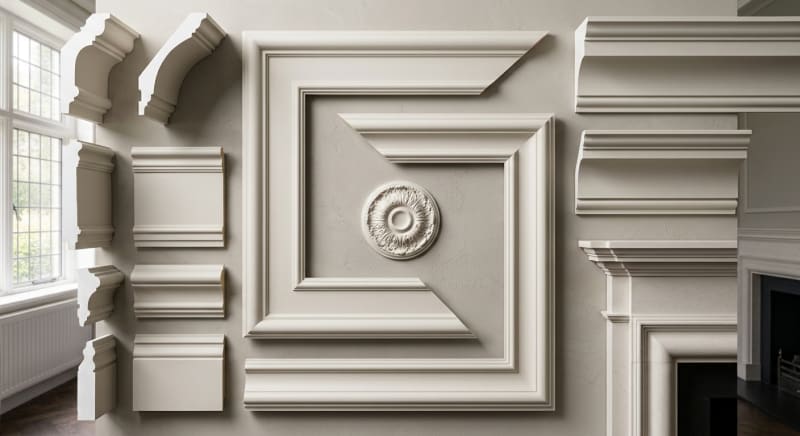
Interior design often depends on the details that bring a room together. While furniture, lighting, and paint colors establish the overall atmosphere, decorative wall treatments can add depth and character without requiring a complete renovation. Wall frame molding is a timeless option for homeowners who want to create elegant, well-defined spaces. From sophisticated living rooms to welcoming entryways, carefully planned molding can transform ordinary walls into attractive architectural features.
One of the most versatile choices is picture frame wall molding, which uses rectangular or square decorative outlines to create a balanced and structured appearance. This design works well in traditional, transitional, and modern interiors because it can be adapted to different wall sizes, color schemes, and decorative preferences. With the right arrangement, molding adds visual interest while allowing the rest of the room to remain the main focus.
Elegant Wall Frame Molding for Living Rooms
The living room is often the central gathering place in a home, making it an ideal location for decorative wall treatments. Molding can help establish a focal point behind a sofa, around a fireplace, or along a large empty wall. Symmetrical rectangular panels create an organized appearance, while wider frames can emphasize the room's architectural proportions.
For a classic living room, consider evenly spaced panels with traditional decorative profiles. These details complement upholstered furniture, wooden tables, elegant curtains, and warm lighting. In contemporary interiors, simple molding with clean edges can introduce texture without making the space appear overly formal.
Color also influences the final effect. Matching the molding to the wall creates a subtle, sophisticated finish, while contrasting shades make the panel arrangement more noticeable. Soft white, warm beige, muted gray, and earthy neutral tones are versatile options for creating a timeless interior.
Creating a Welcoming Entryway
Entryways provide the first impression of a home, so their design deserves careful attention. Wall frame molding can make a narrow hallway or modest entrance feel more refined and thoughtfully designed. Even a simple arrangement of rectangular panels can introduce architectural character where decorative opportunities might otherwise be limited.
In smaller entryways, narrow molding profiles and uncomplicated layouts generally work best. Avoid creating too many frames, as crowded patterns can make a limited space feel even smaller. Instead, choose a balanced arrangement that complements the entrance door, console table, mirror, and lighting fixtures.
For larger foyers, more elaborate panel designs can establish a grander atmosphere. Tall frames emphasize vertical space, while symmetrical arrangements create a sense of order. A carefully positioned mirror or artwork can complete the composition without overwhelming the decorative details.
Choosing the Right Molding Style
Selecting an appropriate profile is essential for achieving a cohesive result. Traditional interiors often benefit from decorative molding with subtle curves and layered details. Modern homes typically look better with streamlined profiles that emphasize straight lines and simplicity.
The width of the molding should also correspond to the room's proportions. Wide profiles can make a statement on spacious walls, whereas slimmer options are usually more suitable for compact rooms and narrow corridors. Existing architectural elements, including baseboards, door casings, and ceiling trim, should influence the final selection.
Homeowners should also consider the finish. Painted molding offers flexibility because it can blend into the wall or provide a contrasting accent. Consistent finishes throughout connected spaces help create a smooth transition between the living room and entryway.
Planning a Balanced Layout
Before installation, measure the wall carefully and account for windows, doors, furniture, and electrical outlets. Maintain consistent gaps between panels and leave sufficient space around the edges of the wall. Using painter's tape to outline the proposed design makes it easier to evaluate the proportions before cutting or attaching any materials.
Good preparation also helps prevent uneven frames and unnecessary material waste. Check each measurement and use a level to ensure straight horizontal and vertical lines.
A Timeless Finishing Touch
Wall frame molding offers a practical way to improve the appearance of living rooms and entryways without changing their entire design. By selecting suitable profiles, maintaining balanced proportions, and coordinating colors with existing furnishings, homeowners can create interiors that feel polished and inviting. Whether the goal is understated modern elegance or traditional sophistication, well-planned molding provides a lasting decorative feature that enhances the character of any home. Decorative Wall Molding Ideas for Refined Interior Compositions
#StavrosDecor #ArchitecturalMolding